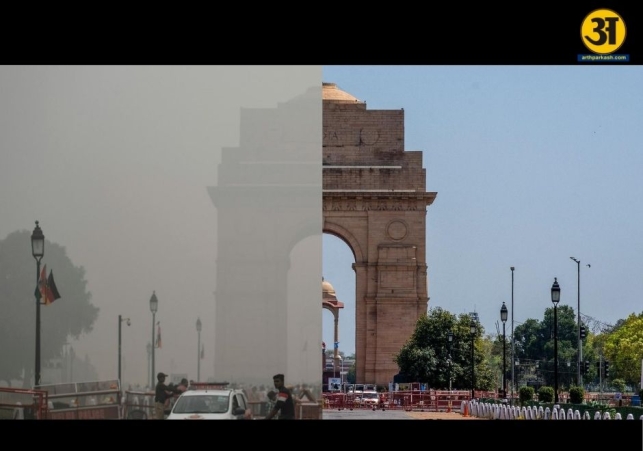
Winter smog in delhi can weaken immunity
Delhi’s winter pollution may lower your body’s natural defenses, say doctors
Every year, North India experiences thick winter smog that turns the air grey and unhealthy. While it may seem like an inconvenience, the impact of this pollution goes far beyond discomfort. Doctors warn that smog is not only harming lungs but also quietly weakening the body’s immune system. The fine particles in polluted air are small enough to reach deep into the lungs and even enter the bloodstream, causing long-term damage.
Smog contains particles called PM2.5 and PM10, which are extremely tiny. Dr Nana Kunjir, Consultant Pulmonologist at Sahyadri Super Speciality Hospital in Pune, explains, “Breathing in these particles irritates the airways, causes inflammation, and reduces lung function. This makes it easier for bacteria and viruses to attack, increasing the risk of infections like pneumonia.”
Pollution also damages the tiny hair-like structures in the lungs called cilia. Normally, cilia help clean the lungs by moving mucus and trapped germs out of the airways. When they are damaged, mucus and pathogens stay in the lungs, creating the perfect conditions for infections. Hospitals report a significant rise in pneumonia, bronchitis, and other respiratory illnesses during winter, particularly between November and January. Children, the elderly, and people with asthma or COPD are the most vulnerable.
Dr Kinjal D Modi, Consultant Pulmonary Physician at P.D. Hinduja Hospital in Mumbai, notes that even cities like Mumbai face a winter rise in lung infections. “High pollution levels trigger inflammation in the bronchi and alveoli, the tiny air sacs that help oxygen enter the blood. This can worsen conditions like bronchitis and pneumonia, especially in people with existing lung diseases.”
How pollution weakens immunity
The impact of smog isn’t limited to the lungs. Long-term exposure to polluted air creates chronic inflammation throughout the body. Dr Kunjir explains, “This ongoing inflammation keeps the immune system stressed, making it less effective at fighting infections. Polluted air doesn’t just make you sick; it also slows recovery and increases the risk of complications.”
Even people who appear healthy are not safe. The repeated exposure to fine particles can weaken the immune response, leaving the body more susceptible to viral and bacterial infections. Those with pre-existing conditions, like asthma, COPD, or bronchiectasis, are particularly at risk. During smog season, their symptoms can worsen rapidly, requiring longer hospital stays and more intensive treatment.
While masks and air purifiers help, they cannot fully protect against pollution. Dr Modi says, “You cannot wear a mask all the time. Once it is removed to eat, talk, or sleep, exposure resumes. Purifiers only work indoors, and opening a window allows polluted air to enter again.” These tools can reduce risk but cannot eliminate it entirely.
ALSO READ: The AI boom: innovation surge or bubble waiting to burst?
ALSO READ: The fall of the Berlin Wall: A turning point that reshaped global politics
Pulmonologists suggest several preventive steps to protect health during winter smog. Regular check-ups are important, especially for those with existing respiratory conditions. Vaccines such as the flu shot and pneumococcal vaccine can reduce the risk of serious infections. Diet also plays a role: foods rich in antioxidants like citrus fruits, spinach, carrots, amla, and turmeric help combat the damage caused by pollution. Omega-3 fats found in walnuts, flaxseeds, and fish oil help reduce inflammation, while staying hydrated supports the health of the respiratory lining.
Exercise is important, but it should be done indoors on high-pollution days. Simple yoga routines or home workouts are effective alternatives. Tracking air quality using apps can help plan safe times to go outside. These lifestyle measures, combined with medical guidance, provide the best protection against smog-related illnesses.
Doctors emphasize that winter haze is not just a temporary problem; it is a slow-moving health crisis. Each year, hospitals report more respiratory cases, longer recovery times, and worsening chronic lung conditions. “Pollution and infections peak together,” says Dr Modi. “It is a dangerous combination that requires both personal protection and long-term public solutions.”
In the meantime, individuals can reduce risk by following expert advice, maintaining good hygiene, and taking proactive steps to support lung health. Protecting your lungs and immunity is essential, especially during the smog season. Until broader policy changes improve air quality, personal measures remain the most effective way to safeguard health.
Related News